New 'lifejacket law' passed for NZ recreational boats under 6 metres

New legislation requiring everyone on recreational craft of six metres or less to wear a properly fitted personal flotation device (PFD) while underway will be in place ahead of the peak summer boating season.
Parliament has passed the Maritime Transport (Lifejackets on Recreational Craft) Amendment Bill, with the new requirement coming into effect 28 days after the Bill receives Royal Assent, the final procedural step before it becomes law.
Associate Transport Minister James Meager welcomed the legislation, saying it will help save lives and reduce preventable harm on New Zealand waters.
"In 2025, 17 people died in recreational craft incidents on our waters. Sadly, 12 of those people were found not to be wearing a lifejacket," Meager said.
"These are tragic and preventable deaths. This legislation creates one clear, simple national rule for everyone to follow, which is a common-sense and long overdue change.
"Lifejackets save lives, and making sure boaties wear one while out on the water is essential if we want to reduce the number of drownings in New Zealand."
The new requirement will apply to everyone aboard recreational craft six metres or less while the craft is underway.
Although the Bill uses the term "lifejacket", this covers all approved personal flotation devices (PFDs), not lifejackets alone.
"We support legislation that helps save lives and reduce preventable harm on the water," said Yachting New Zealand Chief Executive Steve Armitage. "Laws are only one part of the safety picture – individual responsibility, good judgement and informed decision-making remain critically important. Ultimately, we want everyone to enjoy the water while taking responsibility for their own safety and the safety of those around them."
Safer Boating Forum chair Sharyn Forsyth said the new requirement will strengthen one of the sector's most important safety messages.
"This is a big step for recreational craft safety. The Forum's members share one goal: helping people enjoy the water and come home safely," she said.
"Tragically, on average, 17 people die each year in recreational craft incidents. Wearing a properly fitted lifejacket is a simple action that can make the difference when someone unexpectedly ends up in the water."
Coastguard Tautiaki Moana chief executive Carl McOnie said the change will give more people a chance of surviving when something goes wrong on the water.
"Every year our volunteers see the heartbreak of preventable tragedies. A lifejacket keeps someone afloat and visible, and that is what gives our crews the chance to reach them alive, and bring them home to their loved ones," McOnie said.
According to Water Safety New Zealand chief executive Glen Scanlon, the legislation will support a stronger lifejacket-wearing culture.
"A lifejacket cannot help if it is not being worn. This change, once confirmed, is an opportunity to make lifejacket wearing a normal part of every trip on small recreational craft," Scanlon said.
The new rules will be administered by Maritime New Zealand, Police and harbourmasters, with Maritime NZ coordinating implementation communications with safer boating partners - including Yachting New Zealand.
Maritime NZ Principal Advisor, Recreational Craft, Matt Wood said boaties should start preparing now by checking that everyone has the right size and type of lifejacket, that it fits properly and is in good condition.
"We encourage people to prepare now. Check that everyone has the right size and type of lifejacket, that it fits properly and that it is in good condition. Wear it, carry two waterproof ways to call for help, and check the marine weather forecast."
"We want everyone to enjoy their time on the water and come home safe," Wood added.
The legislation follows years of work across the recreational boating sector to strengthen lifejacket use and reduce preventable deaths on the water. It was originally introduced by Hon Cameron Brewer before Dr Shane Reti took over sponsorship of the Bill.
Read more here.
Related news
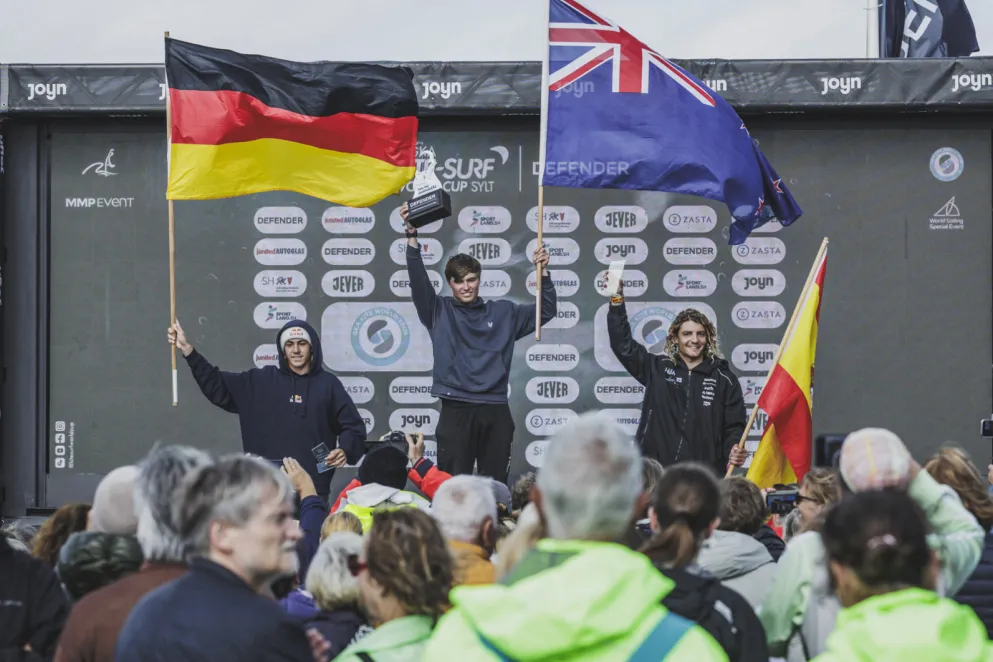
New Zealand kitefoiler Hugo Wigglesworth has successfully defended his Hydrofoil Big Air world title, producing a clutch performance in brutal North Sea conditions to go back-to-back at the GKA Kite World Tour’s World Championship event in Sylt, Germany.
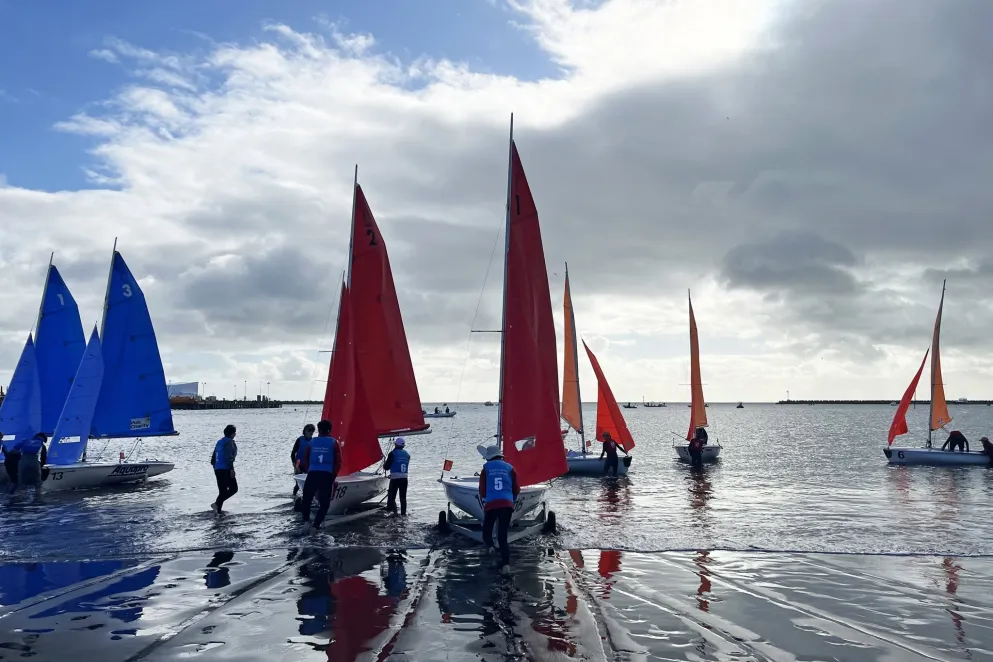
New Zealand’s premier secondary schools team sailing event will expand in 2027, with a new two-tier format designed to create more opportunities for developing teams while preserving a high-level pathway for the country’s best school sailors.
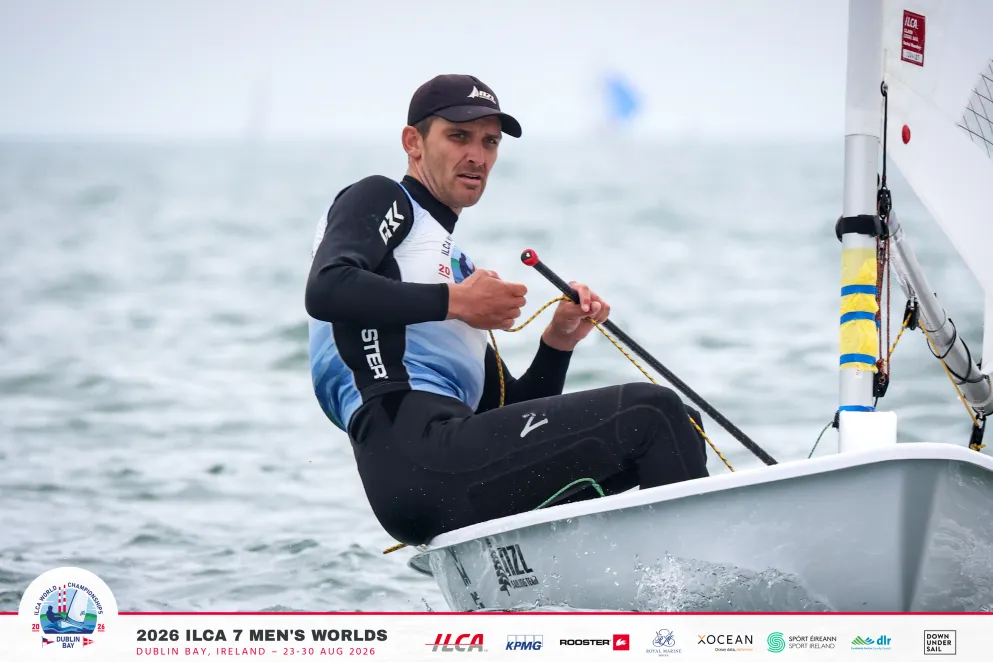
New Zealand's Tom Saunders narrowly missed out on a spot in the medal series at the ILCA 7 World Championships in Dún Laoghaire over the weekend, finishing 12th overall after a challenging final day of gold-fleet racing.