Yachting New Zealand clubs to move to new affiliation fee model from 2027

Yachting New Zealand’s affiliated clubs will move to a banded affiliation fee model from 2027, after delegates voted at the organisation’s Annual General Meeting to replace a largely flat-rate structure that has been in place since 2015.
The proposal was carried by a majority of voting delegates at the AGM, held at the Royal New Zealand Yacht Squadron in Auckland on Saturday, with members also participating online.
The decision follows a year-long review, committed to at the 2025 AGM, and comes as clubs face increasing pressure from rising operating and participation costs.
Under the new model, clubs will be assigned a membership band based on an adjusted membership number, with annual revenue also taken into account for clubs earning more than $200,000. The formulae and supporting information will be published on the Yachting New Zealand website, and each club’s affiliation fee will be determined by its band.
Chief executive Steve Armitage said the review was an opportunity to improve transparency and strengthen engagement with affiliated clubs, following a commitment made a year earlier.
“Clubs want Yachting New Zealand to be clear about what it does for them, and to show value for money,” he said. “Affiliation only means something if clubs can see and feel its value. Every dollar clubs send us should come back to the water in a way they can see.”
The Membership and Affiliation Advisory Group (MAAG), co-chaired by Armitage and Milford Cruising Club commodore Andrew Robertson, was established in March to assess the strengths and limitations of the existing system and explore options for reform.
The group included representatives from clubs of different sizes and with varied offerings, alongside younger members and Yachting New Zealand staff, bringing a range of perspectives to the review.
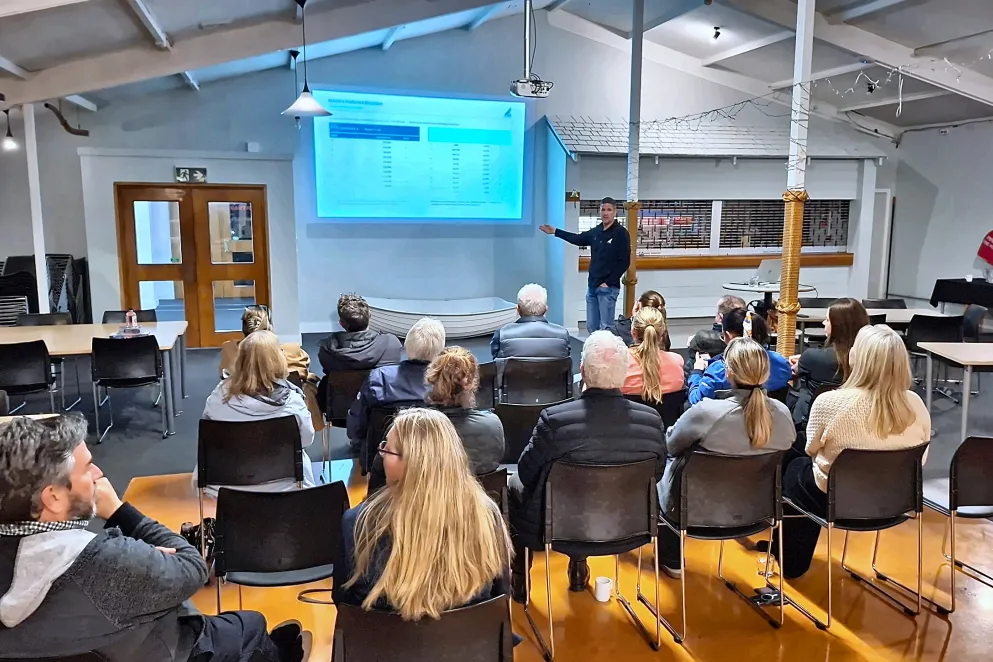
The process included a detailed survey of affiliated clubs, an opportunity for individual members to submit feedback, and a nationwide Club Roadshow that took discussions about cost, value and participation directly to clubs.
“Thank you to everyone who turned up to the Roadshows, asked hard questions and pushed back. It made the proposal better,” Armitage said. “The people closest to the sport know what is working and what is not, and that feedback is shaping both the model and the tools and benefits we are building for clubs.”
Affiliation fees help fund the shared services Yachting New Zealand provides to clubs and members, including support for racing under the Racing Rules of Sailing, safety initiatives and training, race management, coaching development and advocacy with local and central government. Affiliation also supports clubs’ access to community and gaming trust funding.
Armitage said Yachting New Zealand was also developing a club management tool to reduce the administrative burden on volunteers, while working to grow partnership income and introduce additional member benefits.
The aim was to help ease the financial pressure on clubs and reduce the extent to which the cost of running the sport fell on clubs and their members.
“The strength of this sport is in the clubrooms around the country,” Armitage said. “Our job is to back you.”
All motions presented at the meeting were carried, including approval of the annual accounts and the appointment of HLB Mann Judd Chartered Accountants as auditor. David Austin, known in sailing and boating circles as "Dr Dave", was elected to the Yachting New Zealand Board, while current directors Sarah Bacon, Nicola Harrison and Nigel Skeggs were re-elected for three-year terms.
Current chair Greg Knowles retired from the Board after a total of 10 years’ service.
Related news
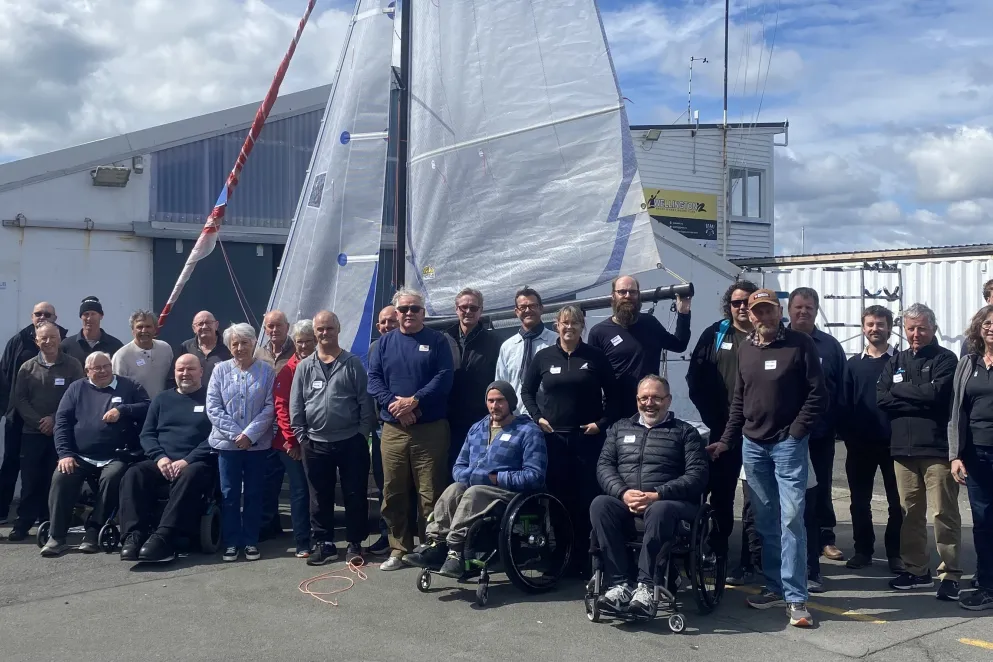
Sailability trusts from across New Zealand met in Wellington for the inaugural Sailability National Hui to share ideas, celebrate what’s working, and explore new opportunities to grow inclusive sailing.
Kia ora koutou,
Last week we wrapped up our Club Roadshow programme. It was great to connect with so many of you around the country to discuss the future of sailing and boating.
From today, everyone on board a recreational craft six metres or less must wear a properly fitted lifejacket while the craft is underway.
This is a significant change that will improve safety on recreational craft.