Royal New Zealand Yacht Squadron's Guide for Sustainable Boating aims to help sailors protect the Hauraki Gulf and beyond

From racing offshore to cruising the coast or heading out for a day of fishing, New Zealand’s boating community shares a deep connection with the marine environment – and a responsibility to help protect it.
A new Guide for Sustainable Boating from the Royal New Zealand Yacht Squadron is helping make that responsibility easier, providing practical advice and simple actions yachties and boaties can take to reduce their environmental impact and protect the places they love.
Sponsored by long-standing partner ecostore, the guide brings together clear, practical information for all types of boating activity – whether you’re racing, cruising under power, sailing offshore, or enjoying time on the water with family and friends.
The initiative aligns closely with Yachting New Zealand’s Clean Club programme, which supports clubs to take meaningful action for the environment, celebrate sustainability leadership, and encourage positive change across the boating community.
Yachting New Zealand Regional Development and Sustainability Manager Hayley Dawe says the guide is a valuable resource for clubs and individuals wanting to make more sustainable choices on and around the water.
“Sustainability can sometimes feel overwhelming, but small changes made by many people can have a huge impact,” Dawe said.
“This guide provides practical, achievable steps that boaters can take – from choosing better products and managing waste responsibly, to protecting marine habitats and preventing the spread of marine pests. It’s a great example of a club taking leadership and sharing knowledge that can benefit the wider boating community.”
The guide covers a wide range of topics, including:
- Hull maintenance and antifouling options that help reduce biofouling, improve performance and minimise environmental impact.
- Lower-impact boating practices, including responsible maintenance and operational habits.
- Energy efficiency strategies to reduce fuel use and emissions.
- Renewable energy and propulsion technologies, including solar power and electric systems.
- Water and wildlife conservation practices to protect marine life and habitats.
- Waste management and responsible onboard disposal of rubbish and recyclables.
- Regulatory compliance and biosecurity measures to help prevent the spread of marine pests.
- Educational resources and opportunities to get involved in marine conservation initiatives.
For Auckland’s boating community, the Hauraki Gulf / Tīkapa Moana is a shared playground – one that provides recreation, inspiration and connection for thousands of people every year. The guide highlights that protecting these waters is a collective responsibility.
Simple actions such as using environmentally responsible cleaning products, reducing single-use plastics onboard, preventing spills, improving fuel efficiency and following marine biosecurity practices can all contribute to healthier oceans.
“Clubs play a crucial role in encouraging and supporting sustainable boating behaviours,” Dawe said. “Sharing resources like this helps make sustainability more accessible and gives people the confidence to take action.”
Free ecostore boat wash available for clubs
As part of the initiative, ecostore has a limited supply of free 25L boat wash product available for clubs interested in promoting more sustainable cleaning practices.
Clubs can register their interest by contacting Dawe at hayleyd@yachtingnz.org.nz.
Please note: clubs south of Tauranga may need to arrange shipping.
Related news
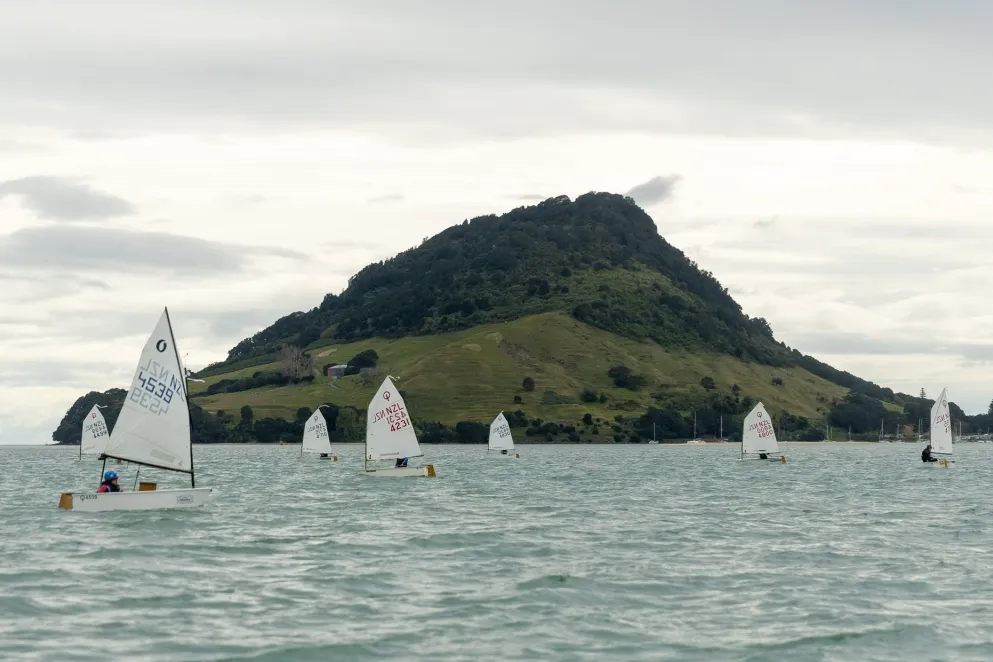
Annika Wells has claimed overall honours at the 2026 Zespri AIMS Games sailing competition, topping a fleet of 70 young sailors in Tauranga.
New Zealand’s leading men’s kitefoiler Lukas Walton-Keim has made a solid start to the 2026 Formula Kite European Championships, sitting inside the top 20 after two days of racing in Akyaka, Türkiye.
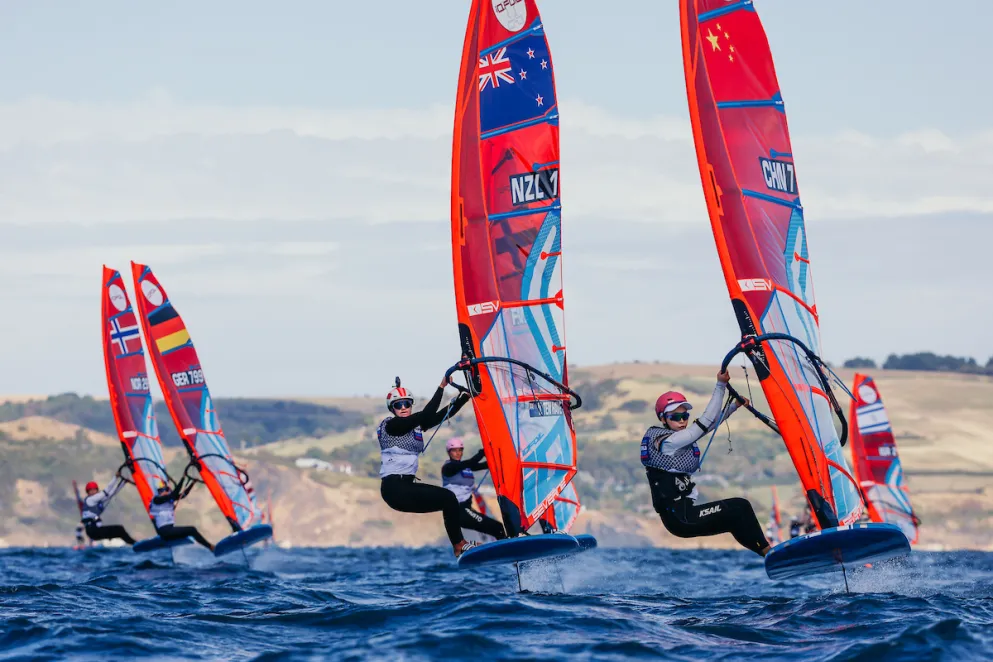
New Zealand’s iQFOiL contingent produced five top-10 race results on a challenging second day of the 2026 iQFOiL World Championships in Weymouth.