Nigel Richards: Safety at sea depends on every crew member, not just the Person in Charge

By Nigel Richards
Too often, when incidents happen at sea, attention lands almost entirely on the skipper or Person in Charge (PiC), as though safety begins and ends with one individual.
It doesn’t.
The PiC does carry the highest level of responsibility and legal accountability for the vessel and everyone on board. That is not in question. But no skipper can be everywhere, see everything, or do everything at once.
A boat is not a one-person operation, and it never has been. Safe boating depends on every person on board being engaged, aware, and willing to act. The formal expectation reflects this responsibility clearly.
Under Yachting New Zealand Safety Regulations, the PiC is responsible for the safety of the vessel and its crew throughout the voyage, including ensuring appropriate briefings on safety equipment, emergency procedures, and vessel-specific risks. The Maritime Transport Act similarly defines the "master" as the person in command or charge of a vessel. But regulation alone does not make a boat safe.
For the PiC, responsibility starts with the fundamentals: a seaworthy boat, properly maintained, and fit for the intended voyage. It includes assessing conditions, checking systems and safety equipment, and ensuring the passage plan matches both the boat and the crew on board.
And then there is judgment — the quiet, critical decisions about whether to go, when to go, and when not to go. From there, the reality is practical: a good skipper does not do everything alone. Tasks should be shared with competent crew; sail handling, watchkeeping, navigation support, engine checks, radio monitoring, and deck operations. But delegation only works when people understand what they are doing, and when they are given the chance to be properly briefed and prepared. That is where responsibility stops being theoretical and becomes personal.
Every crew member has a role to play. It begins with preparation — turning up ready, properly equipped, and honest about capability. It continues with attention: listening during briefings, asking questions, and staying engaged rather than drifting into passenger mode.
And it includes looking after yourself — managing fatigue, hydration, food, and health — because individual performance at sea is never just individual.
And then there is the simplest, most important behaviour of all: speaking up. If something doesn’t look right or doesn’t match what was briefed, it gets raised. Not later, not after the fact — in the moment. Silence is not a safety system, no matter how experienced the crew. The skipper’s responsibility is to make that voice normal. Not tolerated, but expected.
Good seamanship also depends on the distribution of knowledge. The PiC must understand weather, navigation, collision regulations, tides, and passage planning but a safer boat is one where that understanding is not confined to a single person. Crew who know the route, the conditions, and the systems they may need to operate create resilience.
If one person becomes unavailable, the boat does not stop functioning. That principle runs through every part of safe operation — especially briefings.
A boat briefing is not a formality. It is the first real transfer of control. It covers the vessel’s systems — engine operation, fuel and power, through-hulls, bilge pumps, emergency shut-offs — because no two boats are the same, and assumptions are where mistakes begin.
It extends to deck work and sail handling: reefing, winch use, line management, and sail changes. These are not abstract instructions; they are the actions that keep the boat moving safely when conditions change. People need to know them before they are required.
Safety equipment sits at the centre of it all. Lifejackets, harnesses, fire response gear, communications, liferafts, and man overboard equipment must not only be present, but understood.
In an emergency, there is no time to search, guess, or learn. That is why drills matter. Man overboard recovery, fire response, radio calls, abandon-ship procedures — these are not box-ticking exercises. They are rehearsals for the moments when thinking time disappears, and instinct takes over.
The passage briefing ties everything together: weather, route, hazards, watch systems, sail changes, and what to do when conditions shift. The PiC sets the plan, and the crew carry it — and adapt it when required. Because that is the reality of being at sea: plans are necessary, but they are never final.
To support this, Yachting New Zealand, together with clubs, is delivering a Coastal Personal Safety course designed to give crew the tools and confidence to actively support the Person in Charge and contribute to safer outcomes on the water.
Because safe boating is never the responsibility of one person alone, it is the result of everyone on board choosing to notice, to speak, and to act.
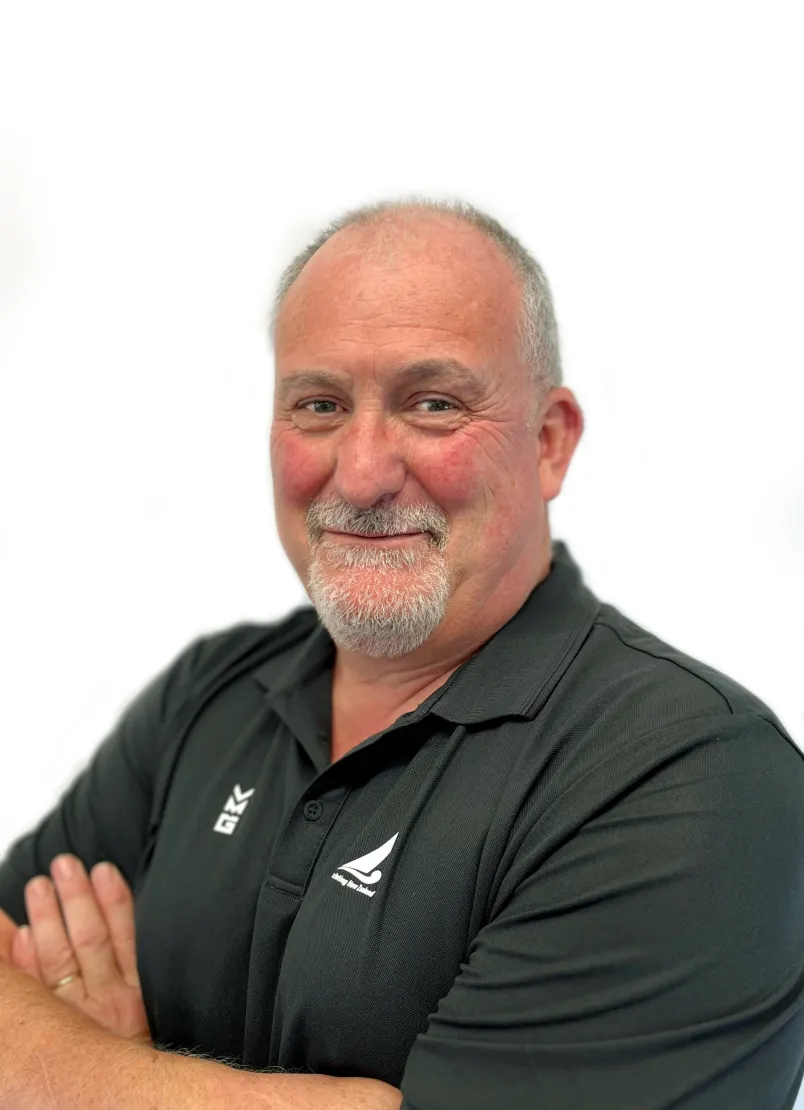
Nigel Richards is Yachting New Zealand’s regional development and safety manager, based in Whangārei. He has more than 30 years of experience in emergency management, WorkSafe investigations, and offshore sailing safety training.
Related news
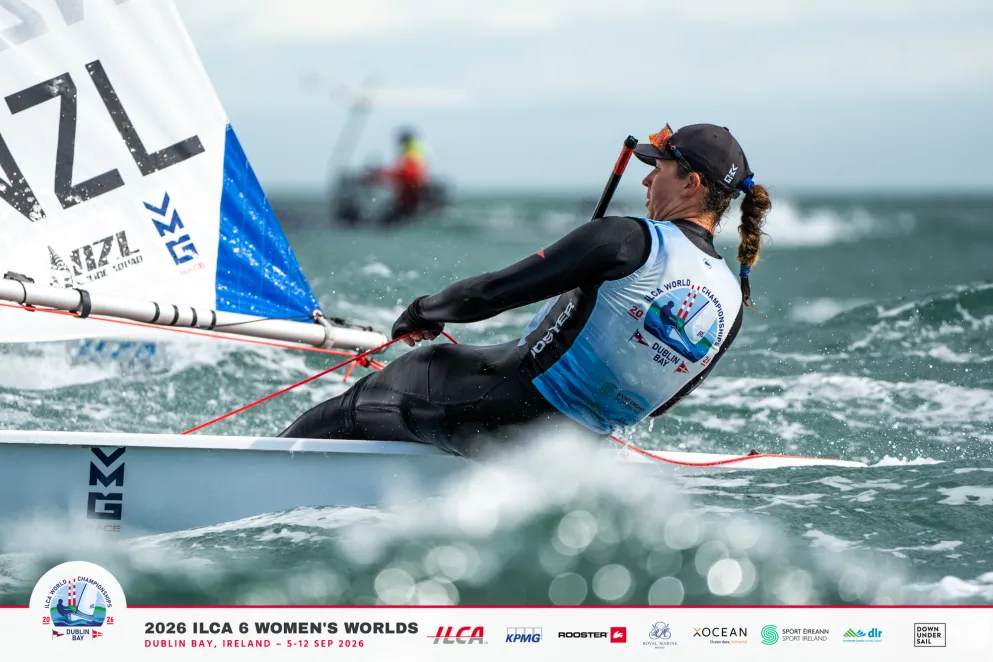
Greta Pilkington’s bid for an ILCA 6 World Championship medal has ended, with the New Zealander narrowly missing the top-10 cut for the final series in Dublin Bay.
Greta Pilkington has launched herself back into medal contention at the ILCA 6 Women’s World Championship with one of her finest performances yet on the world stage.
The Royal New Zealand Yacht Squadron (RNZYS) is proud to announce that it will host the 2027 World Sailing Youth Match Racing World Championship and the 2027 World Sailing Women’s Match Racing World Championship in Auckland, New Zealand, with the supp